Differences between standard, micro and nanobondings - and why they are usually combined

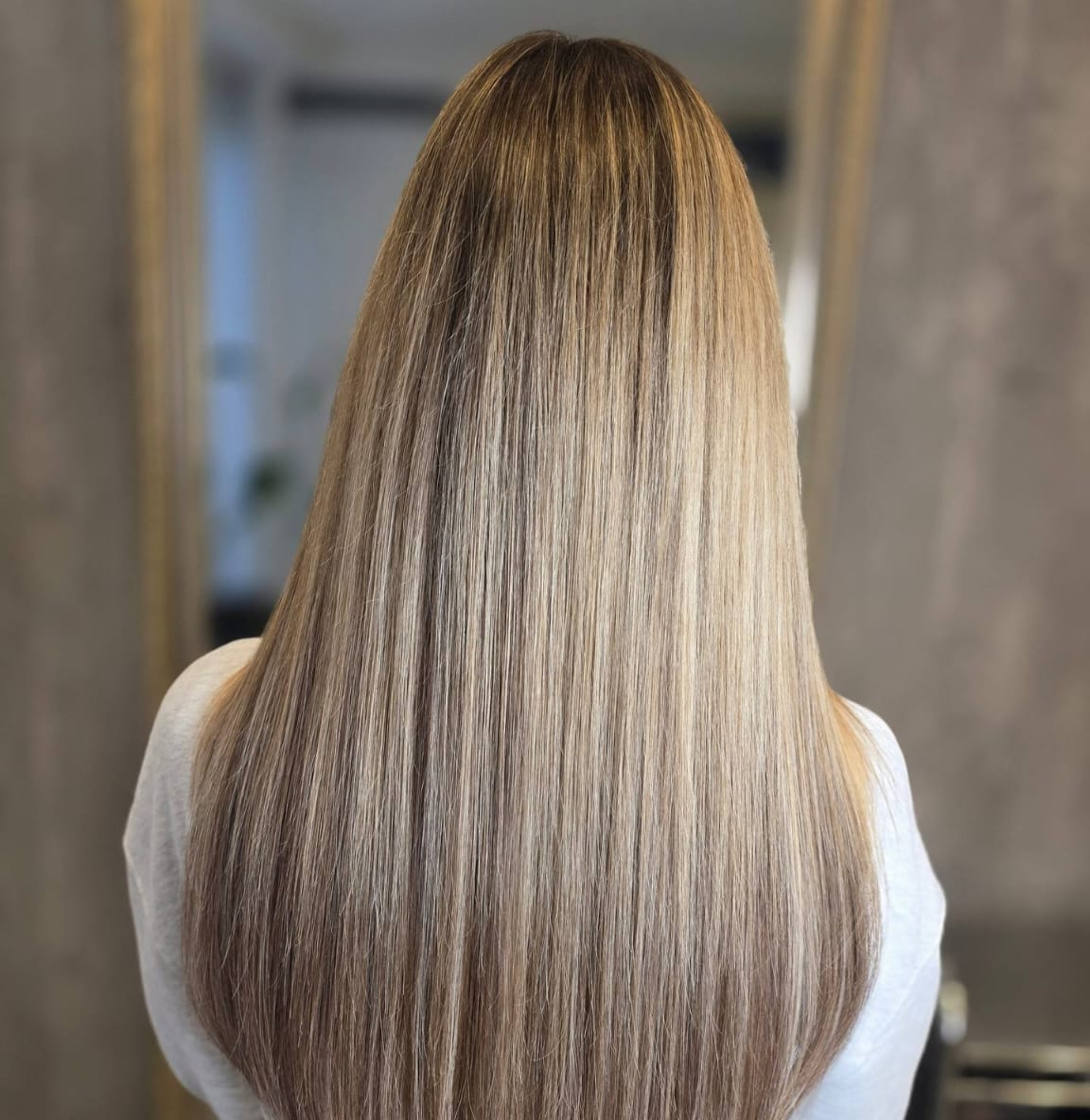
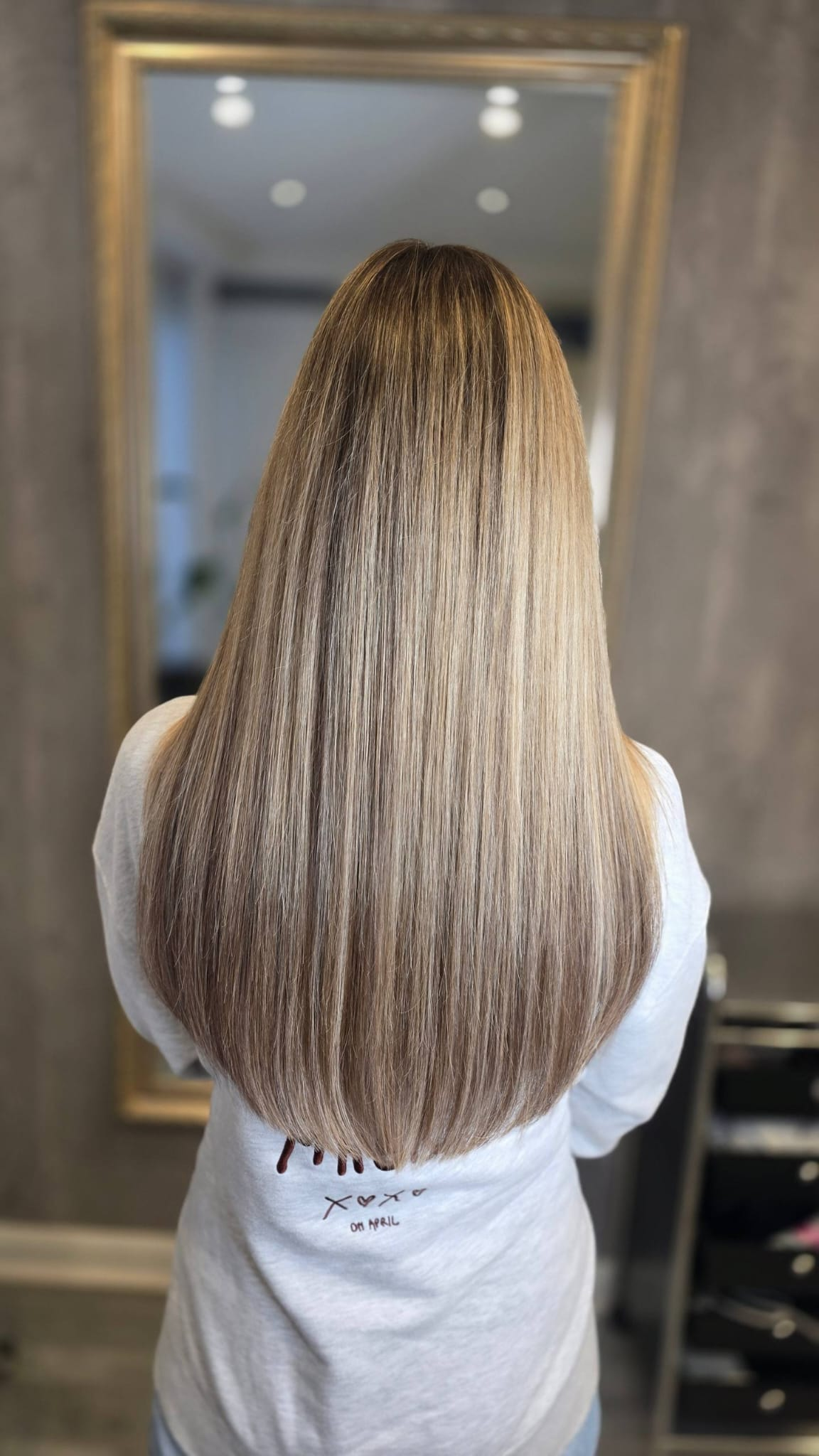
Anyone who deals with keratin bonding will quickly come across the terms Standard, micro and nanobondings. People often ask which size is the best.
However, the honest answer from practice is:
👉 In most professional hair extensions, the bonding sizes are combined with each other.
Here we explain exactly why this is the case and which bondings are used where.
What are keratin bondings anyway?
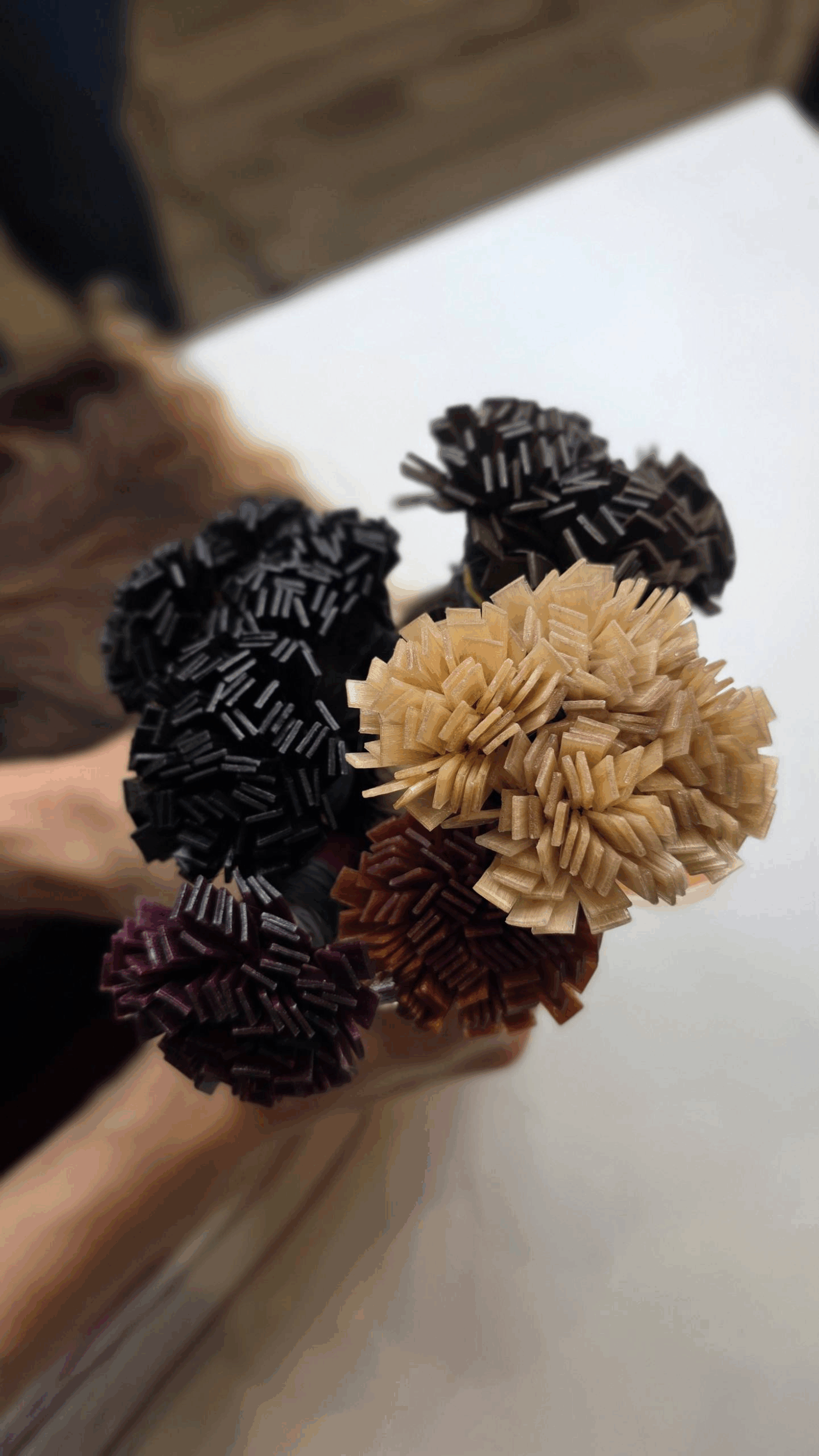
Keratin bonding permanently connects individual extension strands to your own hair.
Depending on Size and weight of the strand differ:
- Wearing comfort
- Visibility
- Styling flexibility
- Possible applications on the head
Especially with natural-looking results, the Correct placement a decisive role.
Weight & size of our bondings at a glance
Extension lengths up to and including 60 cm
- Standard bonding: 0.8 g per strand
- Microbonding: 0.4 g per strand
- Nanobonding: 0.2 g per strand
Extensions from 70 cm
- Standard bonding: 1.0 g per strand
- Microbonding: 0.5 g per strand
- Nanobonding: 0.25 g per strand
Standard bonding - for length & volume
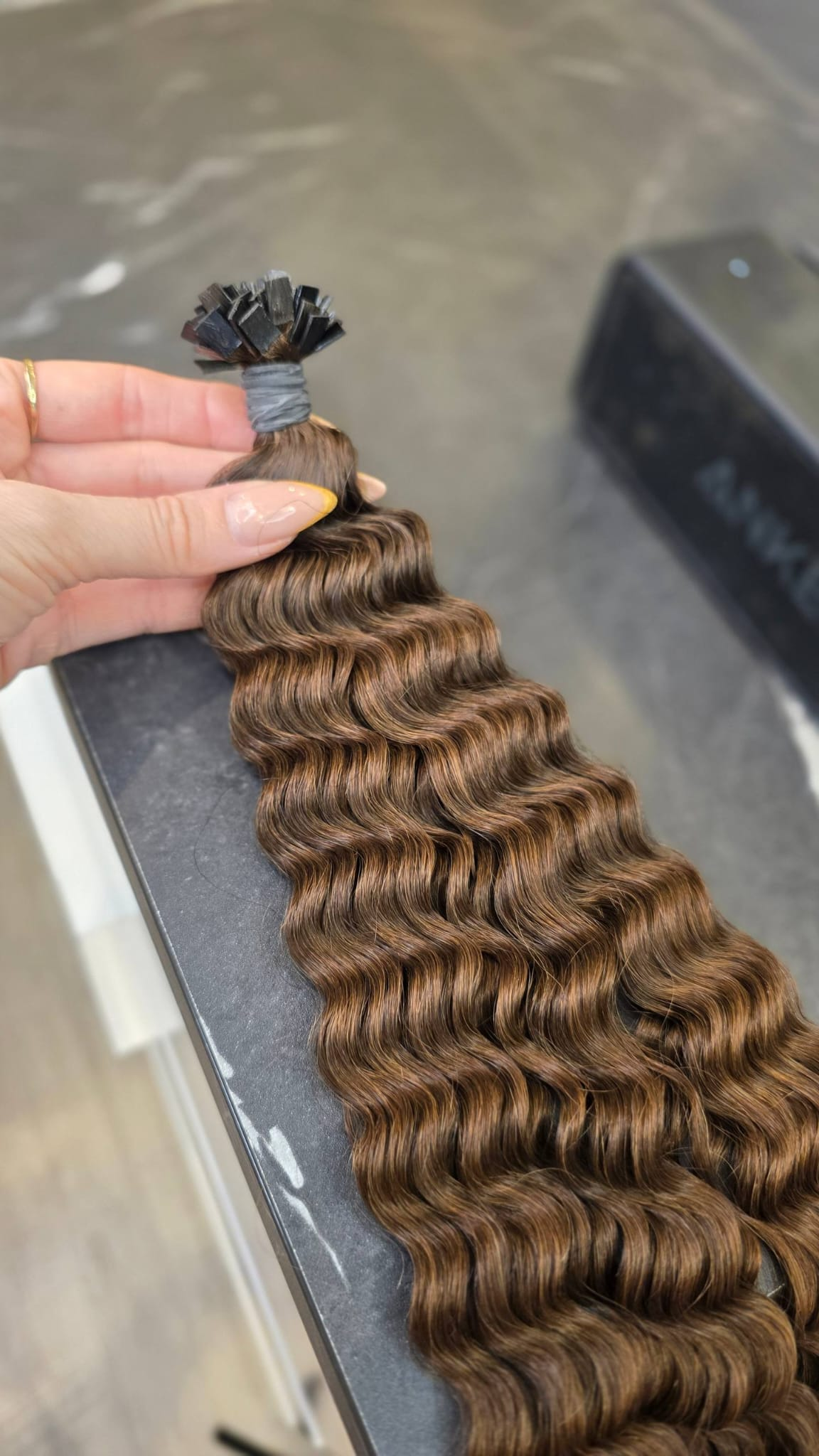
Standard bondings contain the largest amount of hair per strand and are mainly used in areas where the hair is to be cut:
✔ a lot of hair is needed
✔ no extreme fineness is necessary
✔ the bondings are not visible
Typical areas of application
- Back of the head
- Volume build-up
Important to know
Standard bondings are suitable for not for very fine contours, the fringe area or very high braids - here they would be too large and visible.
Microbondings - the connection between fullness & naturalness
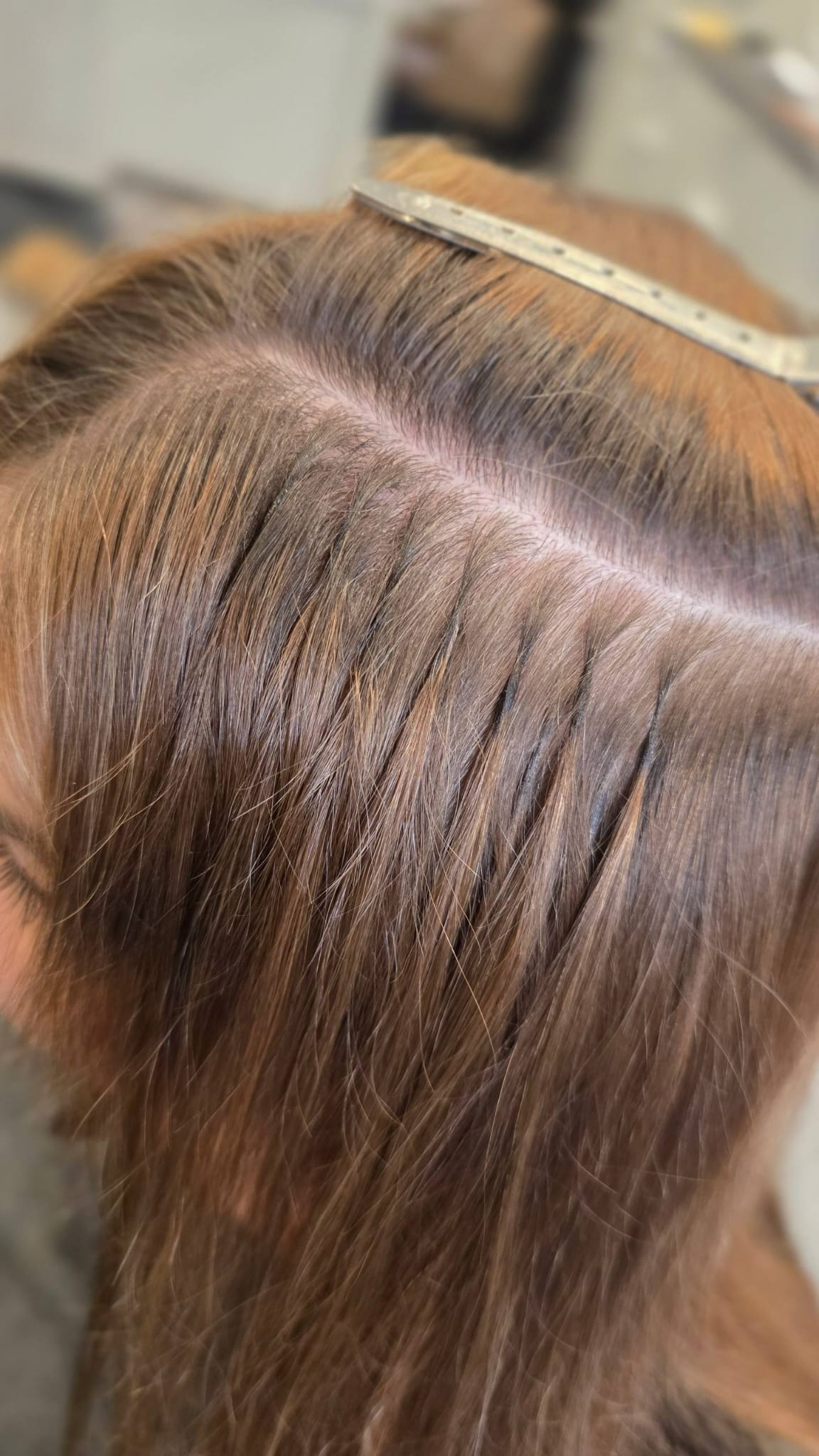
Microbondings are significantly finer than standard bondings and are often used to create more natural transitions.
Typical areas of application
- Side sections
- Upper back of the head
- Transitions from volume to contours
- Very fine natural hair
Advantage
✔ natural approach
✔ Better mobility
✔ less visible when pinning up
Microbondings are often the perfect middle way.
Nanobondings - for contours, braids & pony areas
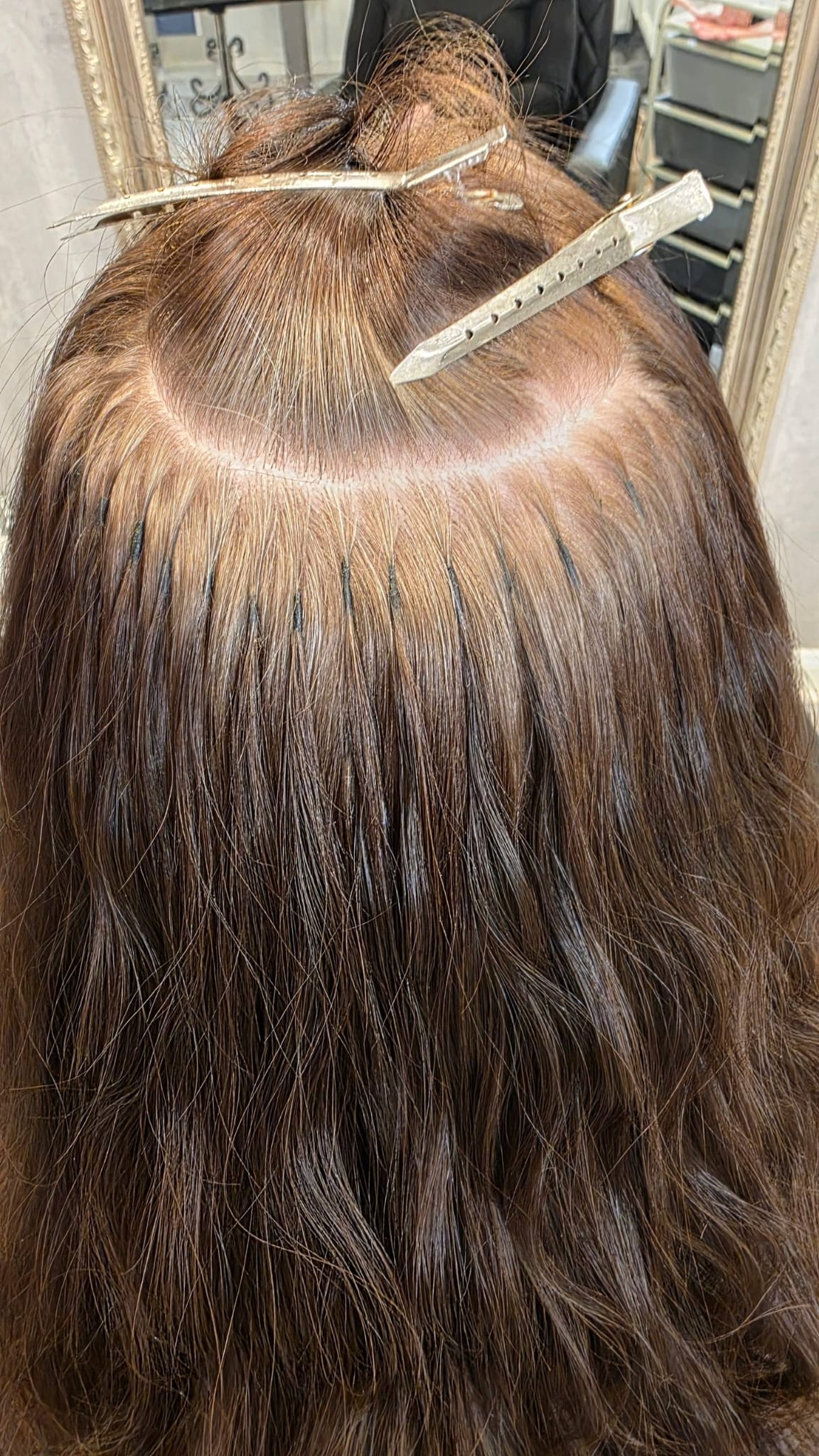
Nanobondings are the finest bonding variant and play a decisive role in high-quality, invisible hair extensions.
Typical areas of application
- Hairline & contours
- Temples
- Pony area
- Top of head
- Very high braids
- Very fine natural hair
👉 Standard bonding materials are usually unsuitable for contours and fringes in particular, because they would be too big.
Micro- or nanobondings make this possible:
✔ the lengthening of a pony
✔ naturally falling side sections
✔ Braids without visible roots
Why are bonding sizes combined?
In practice, a high-quality hair extension often looks like this:
- Standard bondings for volume & length
- Microbondings for smooth transitions & contours
- Nanobondings for contours, roots & fringes
👉 Mixing the sizes results in the following:
✔ a natural overall appearance
✔ Maximum styling flexibility
✔ comfortable to wear
✔ An invisible approach
A hair extension with only one bonding size often looks less natural and restricts hairstyles.
Which bonding combination is right for you?
That depends on:
- your hair structure
- the density in the attachment area
- your favourite hairstyle (e.g. plait)
- whether a fringe should be lengthened
👉 This is why personalised advice is essential.
Conclusion: The mixture makes the difference
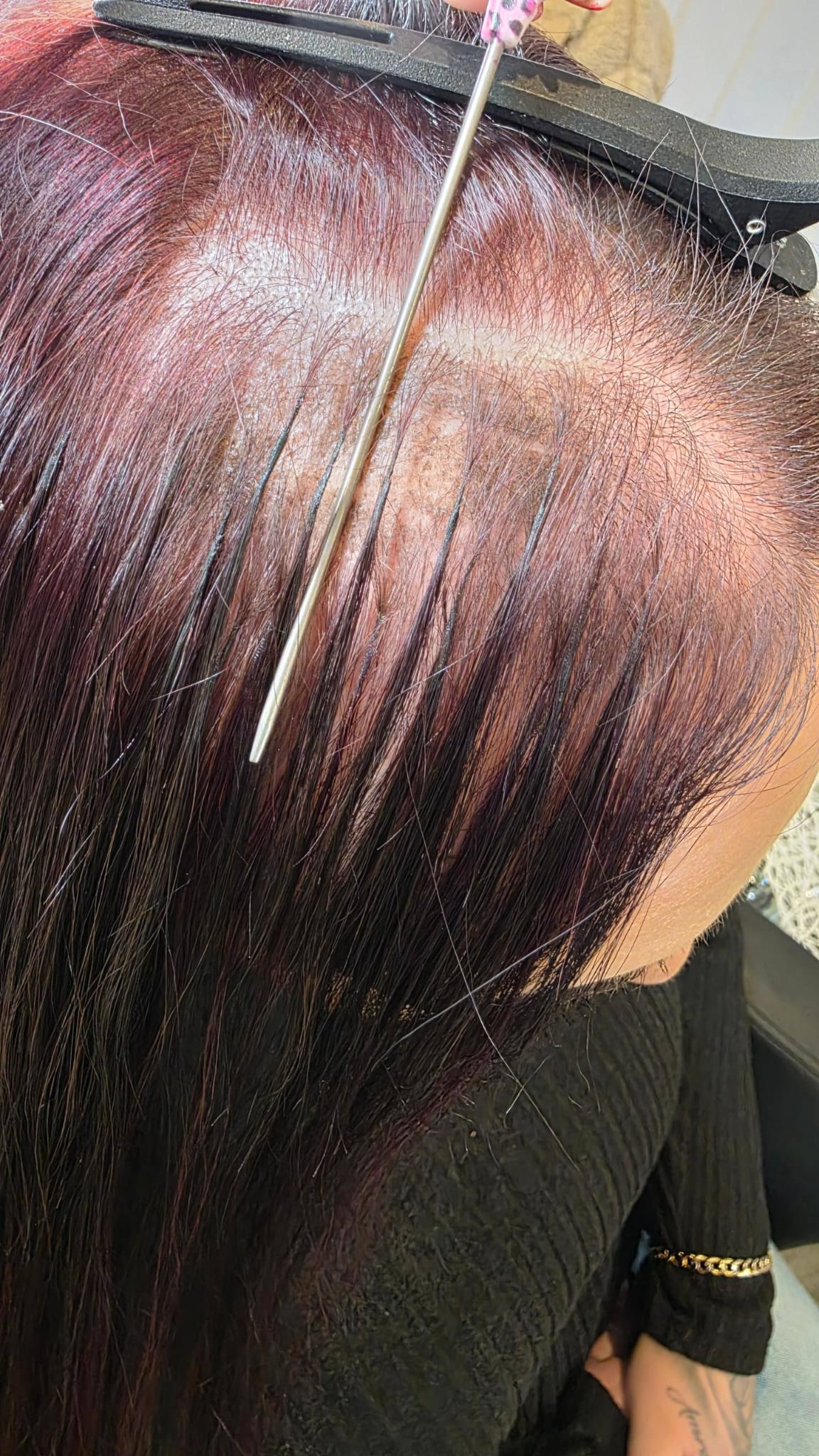
Standard, micro and nanobondings are not competitors - but complement each other perfectly.
✔ Standard for volume
✔ Micro for natural transitions
✔ Nano for contours, fringes & styling freedom
Only the right combination ensures a high-quality, natural result that is suitable for everyday use.
In our salon and online shop we offer Real hair bonding extensions in standard, micro and nano sizeswhich can be individually combined - tailored to the hair structure, length and styling requirements.


 English (UK)
  Deutsch
  Русский
  Italiano
  Français
  Nederlands
  Español