
Warum entstehen Knoten in langen Haaren?



Knots in hair are a common problem, especially with long hair. They can make brushing difficult and sometimes even lead to breakage. Many wonder why hair tangles in the first place and how to prevent it. In this blog, we explain the most common causes and offer simple tips for
Better hair care.
Knoten im Haar entstehen durch Reibung und Verhedderung. Dies kann durch verschiedene Faktoren verursacht werden, wie zum Beispiel: * **Trockenes oder geschädigtes Haar:** Wenn das Haar trocken oder strapaziert ist, sind die Schuppenschichten angehoben, was dazu führt, dass sich die Haare leichter verhaken. * **Langes Haar:** Langes Haar hat mehr Fläche und Länge, um sich zu verheddern. * **Bestimmte Frisuren:** Zöpfe, Dutts oder auch einfach nur das Tragen der Haare offen über einem Schal oder Kragen können Reibung erzeugen und Knotenbildung fördern. * **Feuchtigkeit:** Wenn das Haar nass ist, ist es dehnbarer und anfälliger für Verwicklungen. * **Wind und Bewegung:** Starke Winde oder viel Bewegung können die Haare durcheinander wirbeln und zu Knoten führen. * **Chemische Behandlungen:** Dauerwellen, Färbungen oder andere chemische Behandlungen können die Haarstruktur verändern und sie spröder und anfälliger für Knoten machen. * **Schlaf:** Wenn man im Schlaf mit dem Haar auf dem Kissen liegt, kann es zu Reibung und Verhedderungen kommen. * **Falsche Pflege:** Das Bürsten von nassem Haar oder die Verwendung von falschen Bürsten und Kämmen kann ebenfalls Knoten verursachen.
Knots form when individual hairs rub against each other and get tangled. Particularly long or dry hair tends to tangle more easily. If the hair surface is rough, the hairs no longer glide past each other well.
Common causes of matted hair
There are many reasons why hair can become tangled:
- Dry hair without sufficient moisture
- Friction from clothing or pillows
- Leaving your hair down while sleeping
- Wind and weather
- damaged hair structure
- Rare hair brushing
- Wrong hairbrush
Especially long hair is affected
The longer the hair, the higher the chance of knots. The hair ends are older and often drier than the roots. This causes them to tangle more quickly.
Wet hair is more fragile
When hair is wet, it is particularly prone to knots and breakage. Therefore, wet hair should always be combed carefully. It is best to start at the ends and work your way up slowly.
Correct hair care helps

Good hair care can help prevent tangles.
- Use a moisturising shampoo
- Use conditioner after every wash.
- Apply hair masks regularly
- Gently care for your hair and don't rub too hard
Use the correct hairbrush
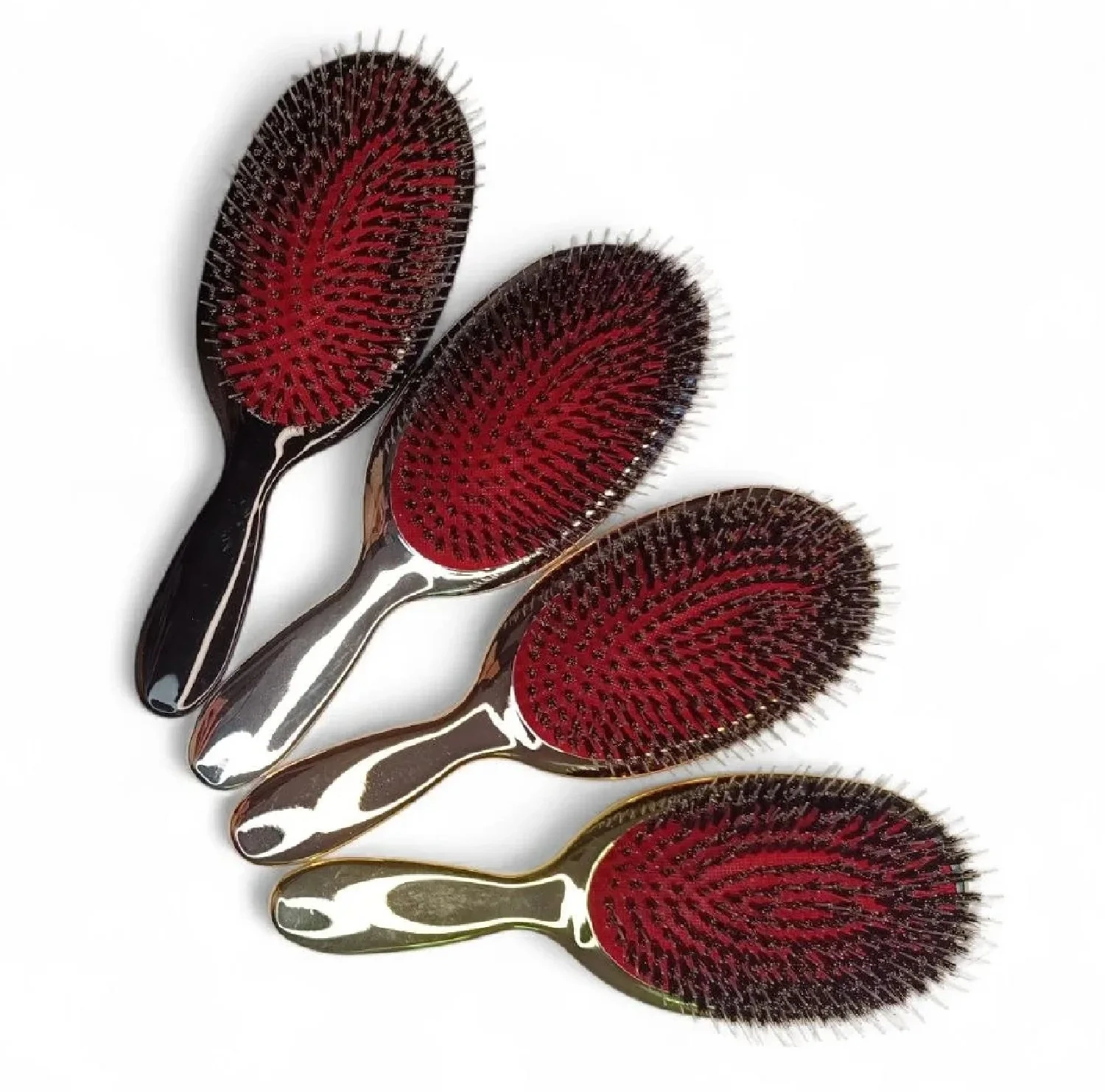
A suitable brush can make a big difference. Soft bristles or special detangling brushes help to gently loosen knots without putting too much strain on the hair.
Sleeping without knots
Even at night, hair can get very tangled. A loose braid or bun can
help to reduce friction. A smooth cushion material can also
Protect hair structure.
Tips for dealing with knots in everyday life
- Brush hair regularly
- Don't go to bed with wet hair
- Tie your hair up before going to sleep
- use nourishing products
- Gently untangle rather than tear
Conclusion
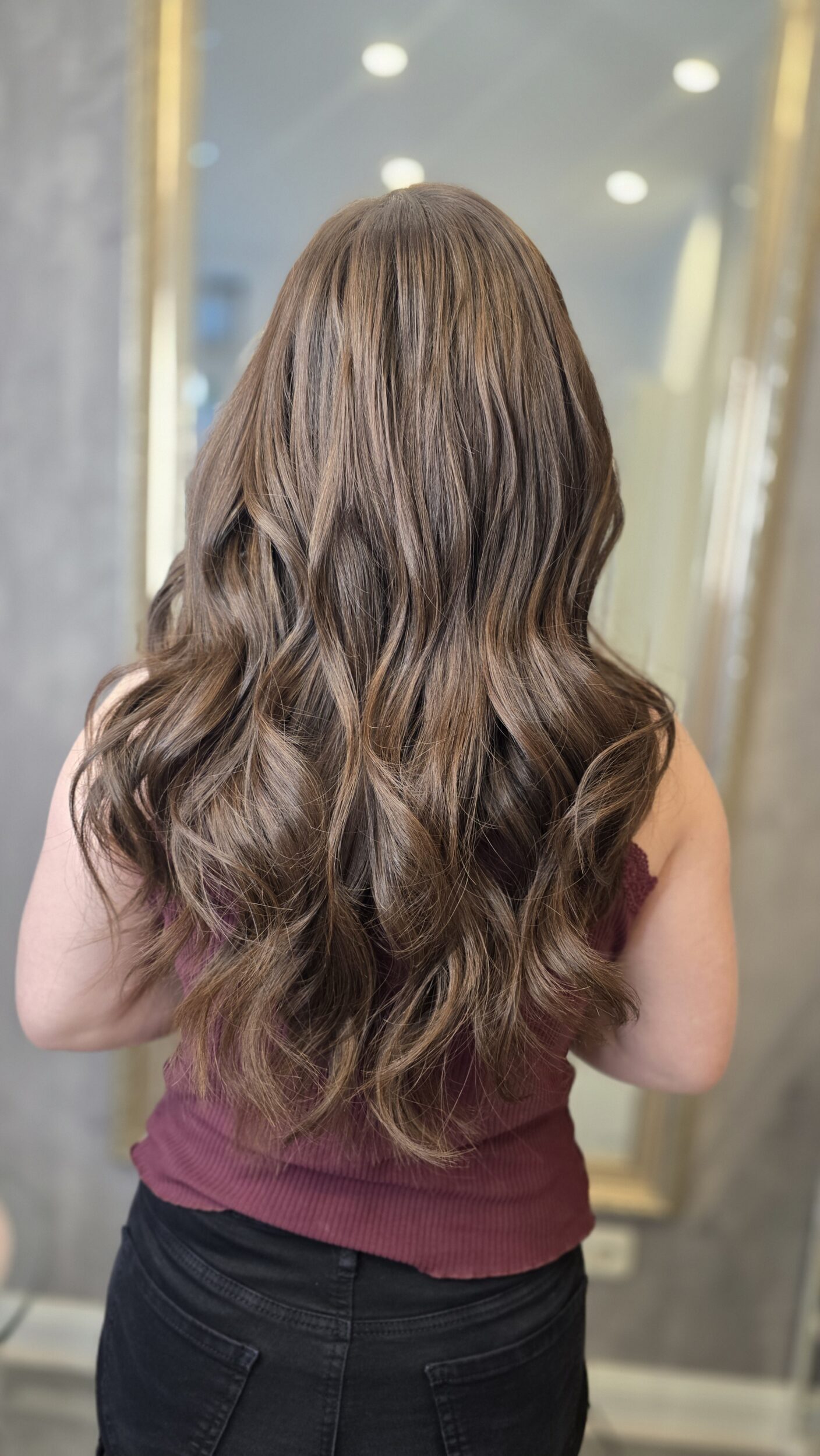
Knots in hair are quite normal, especially with long hair. With the right hair care, gentle brushing and small everyday changes, many tangles can be avoided. This will keep your hair smoother, healthier and easier to style.






 English (UK)
  Deutsch
  Русский
  Italiano
  Français
  Nederlands
  Español