
What is frizz and how does it form? Causes and tips against flying hair

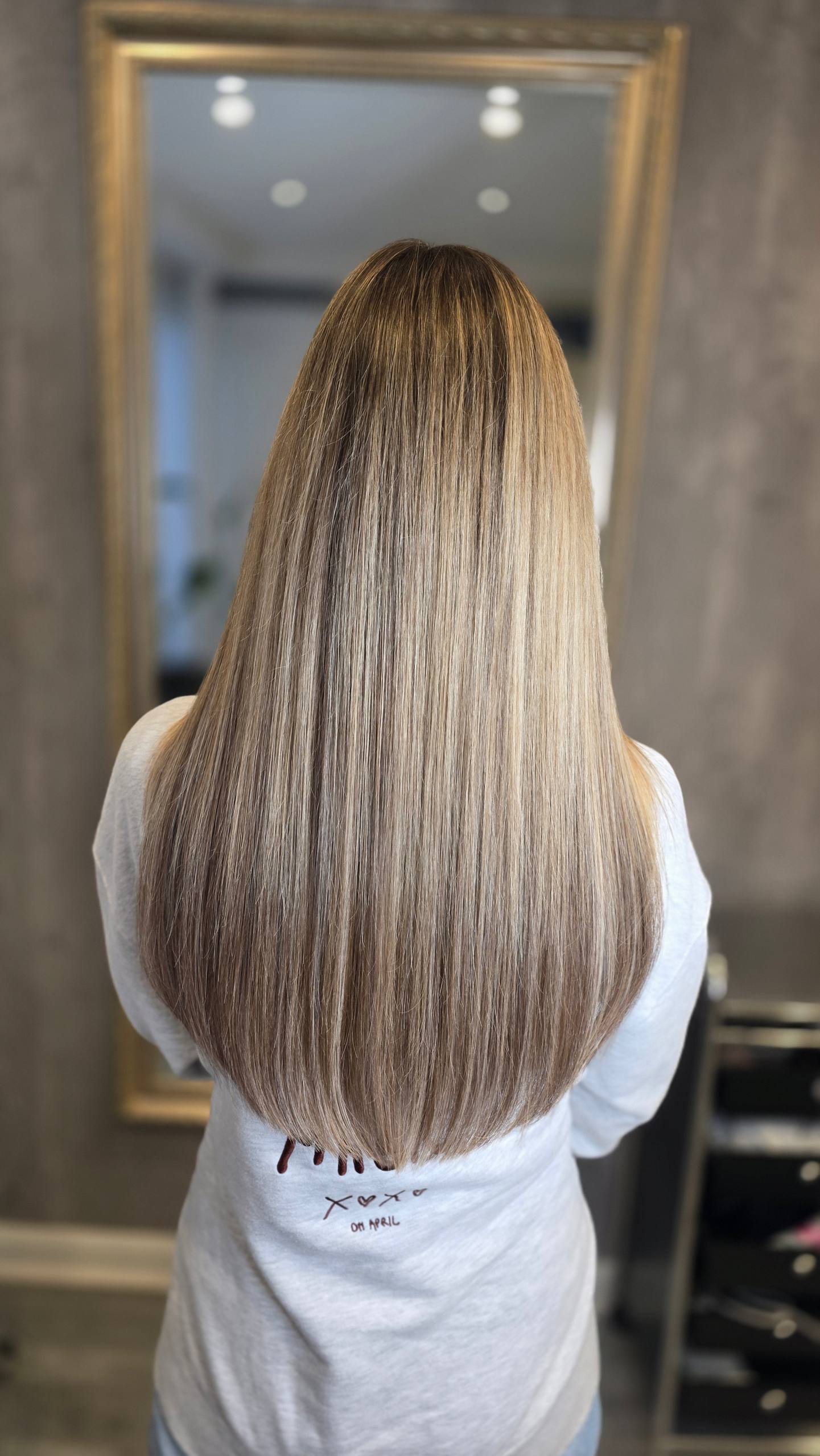
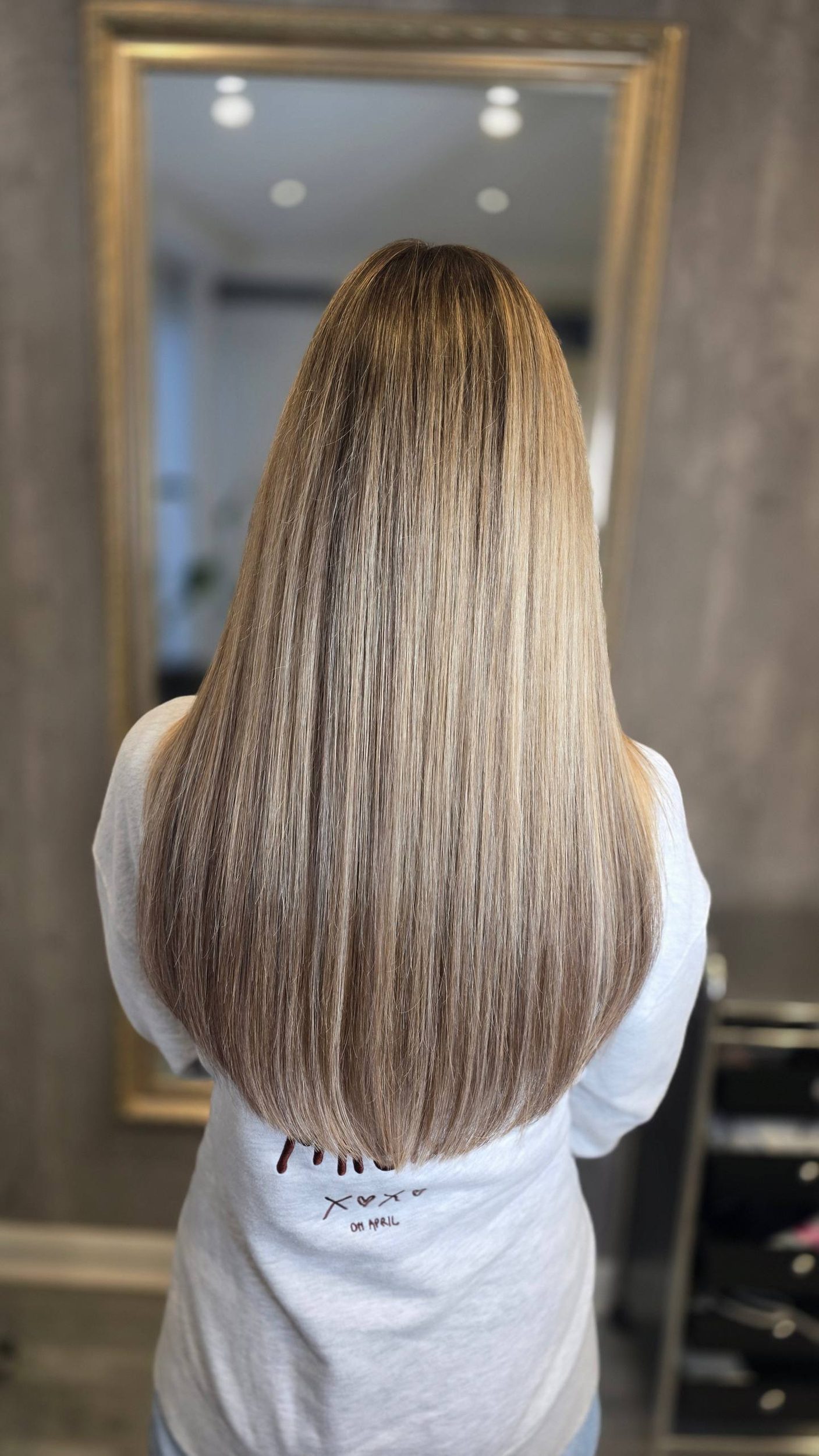
Many people are familiar with the problem: the hair becomes frizzy, looks dry or is difficult to manage. This phenomenon is called frizz. It often occurs especially in humid weather or dry heating air. But why does it even occur?
What is Frizz?
Frizz describes hair that stands out from the actual hairstyle and appears unruly. It stands off or curls uncontrollably. This does not automatically mean that the hair is damaged – often it simply lacks moisture.
How does frizz form?
Lack of moisture
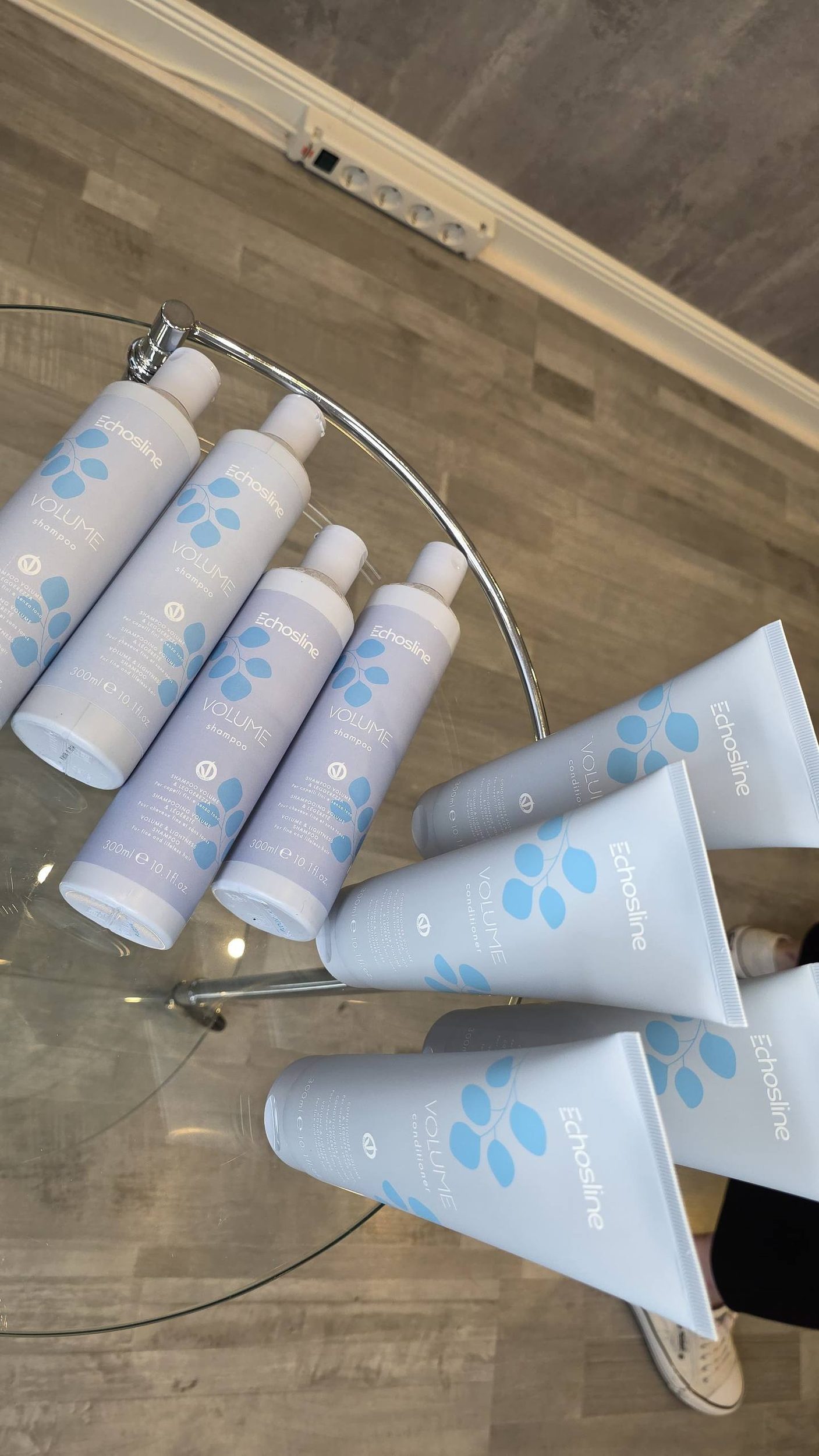
One of the most common causes of frizz is dryness. When hair lacks moisture, the outer layer of scales forms and the hair becomes less smooth.
Humidity
With high humidity, dry hair absorbs moisture from the environment. This changes the hair structure and individual hairs begin to fall out.
Heat
Frequent blow-drying, straightening or curling can dry out the hair over time. Without heat protection, the hair structure is further stressed.
Friction
Towels, clothing or the pillow can cause friction. This causes the hair’s cuticle to be flattened and frizz is easier to form.
What helps against frizz?
Moisturiser
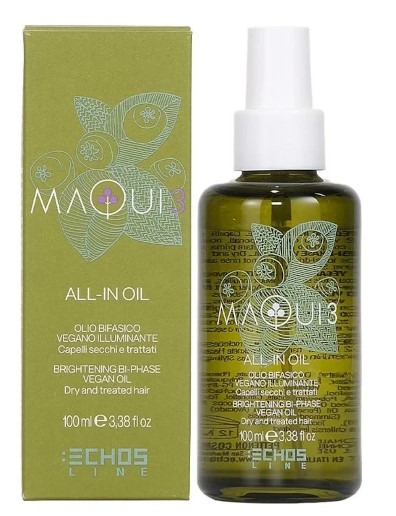
Nourishing conditioners, hair masks or hair oils provide the lengths with moisture and can reduce frizz.
Use heat protection
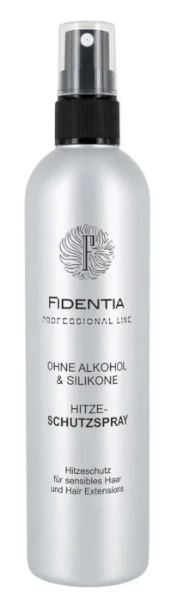
Always apply a heat protection product before blow-drying or straightening to protect the hair.
Dry hair gently
Do not dry the hair with the towel after washing it vigorously. It is better to gently squeeze the water out of the hair.
Regularly cutting the tops
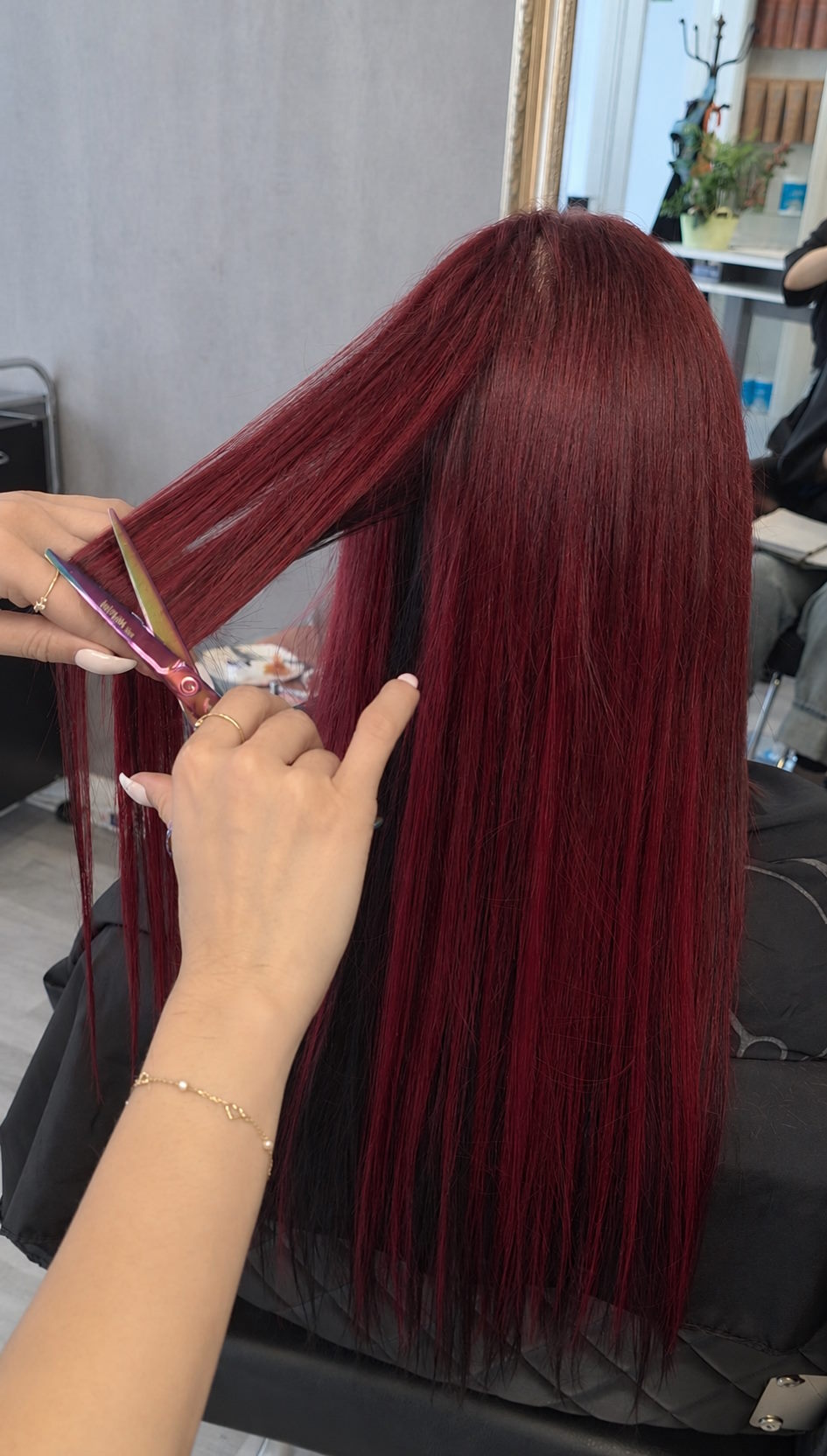
Healthy ends look more groomed and can help make the hair as a whole appear more relaxed.
What applies to extensions?
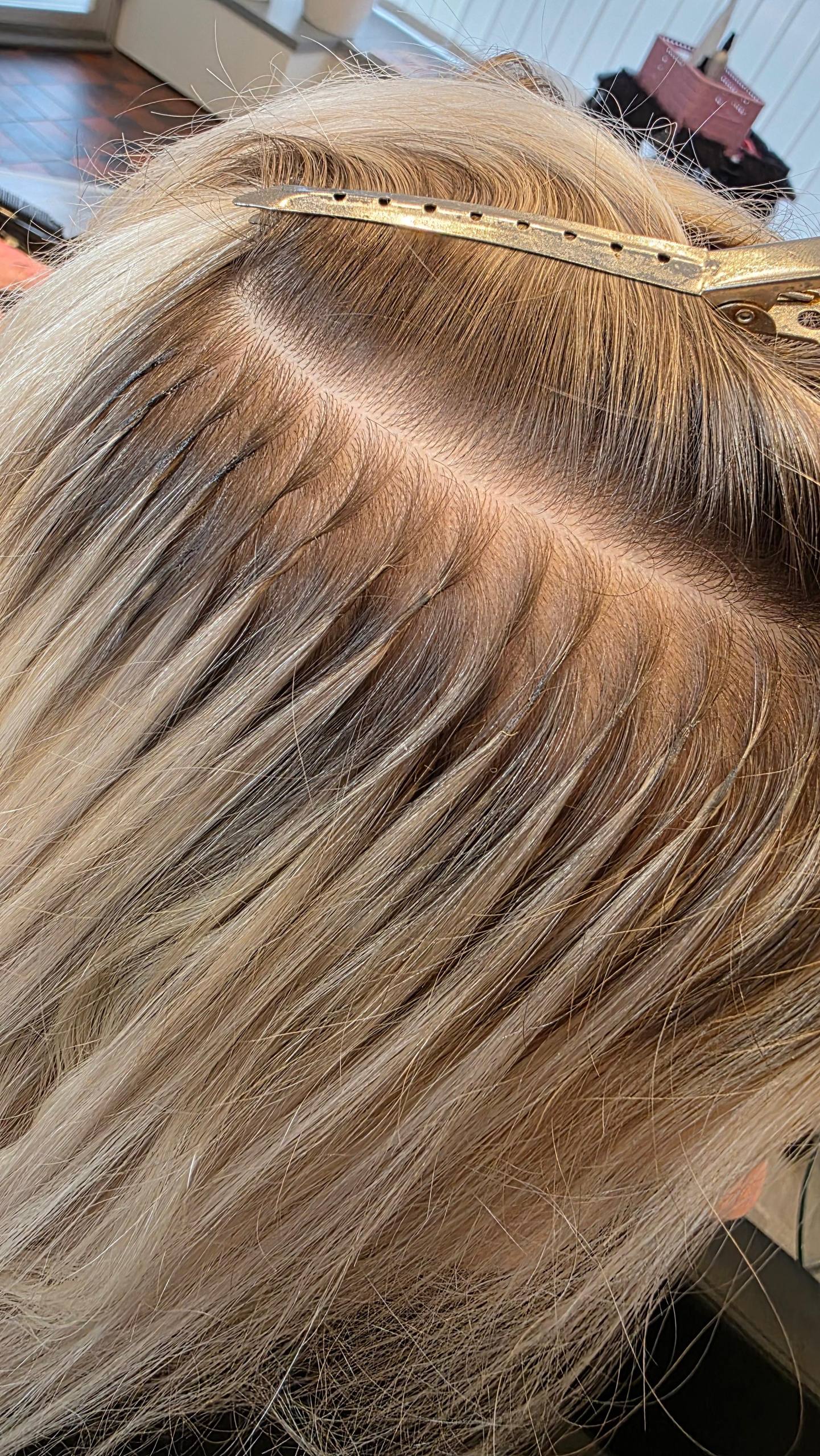
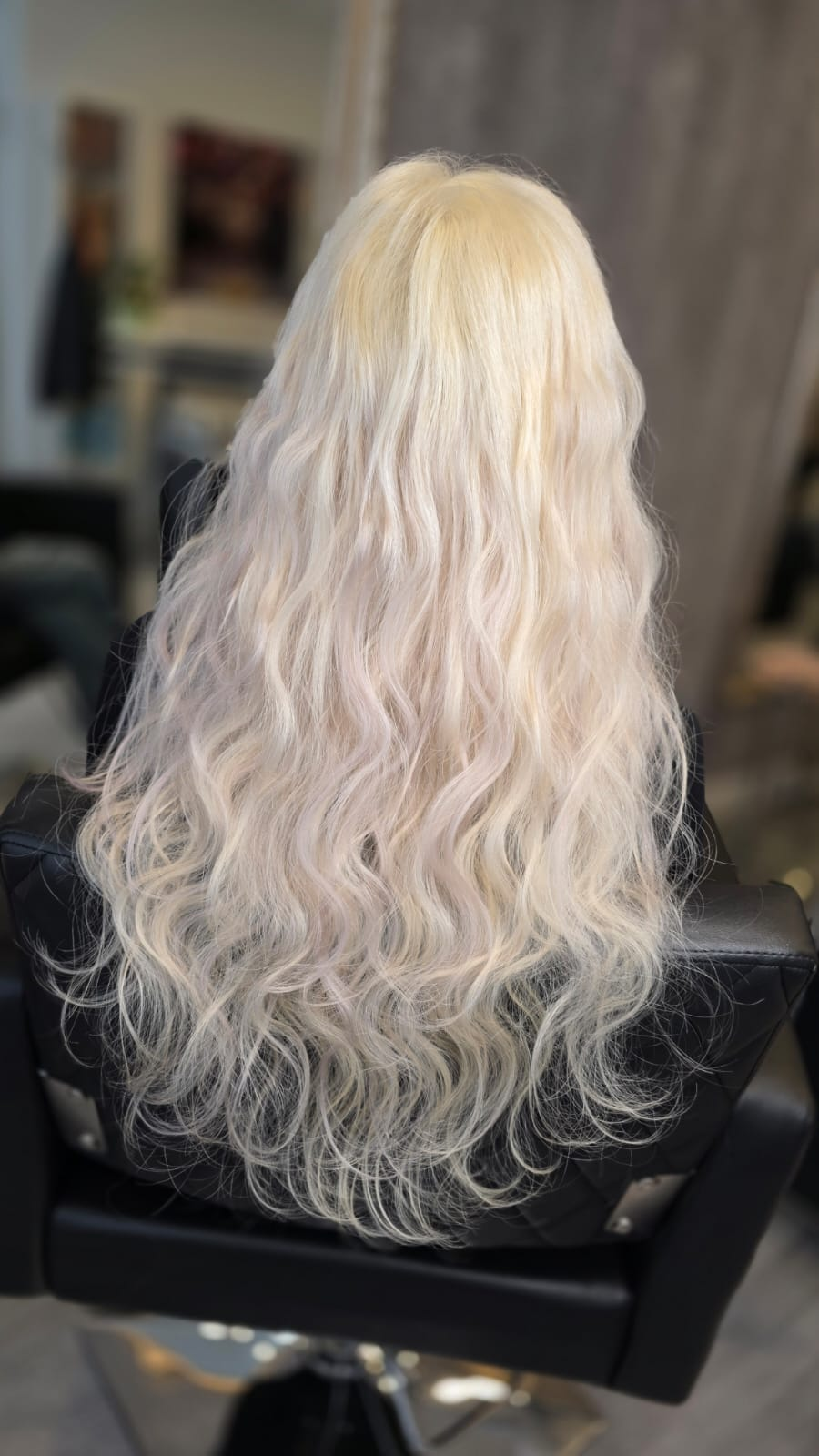
Even synthetic hair extensions can develop frizz if they don’t receive enough moisture. With the right care and high-quality products, they remain supple and shiny.
Conclusion
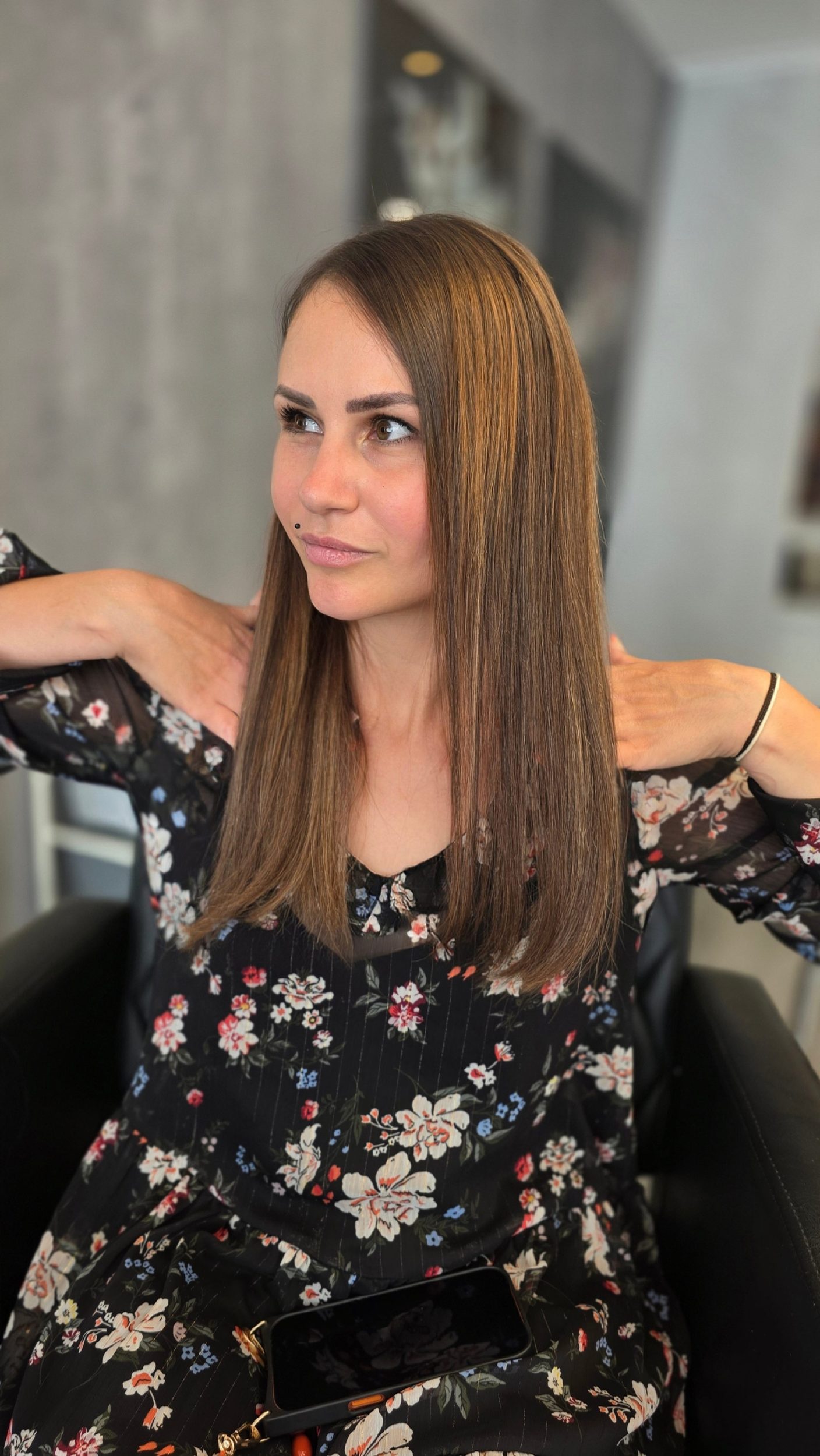
Frizz usually results from dryness, humidity, or friction. With moisturizing care, heat protection, and gentle handling of the hair, frizz can often be significantly reduced.









 English (UK)
 Deutsch
 Русский
 Italiano
 Français
 Nederlands
 Español