
Head lice and hair extensions – why the hair extensions should be removed beforehand

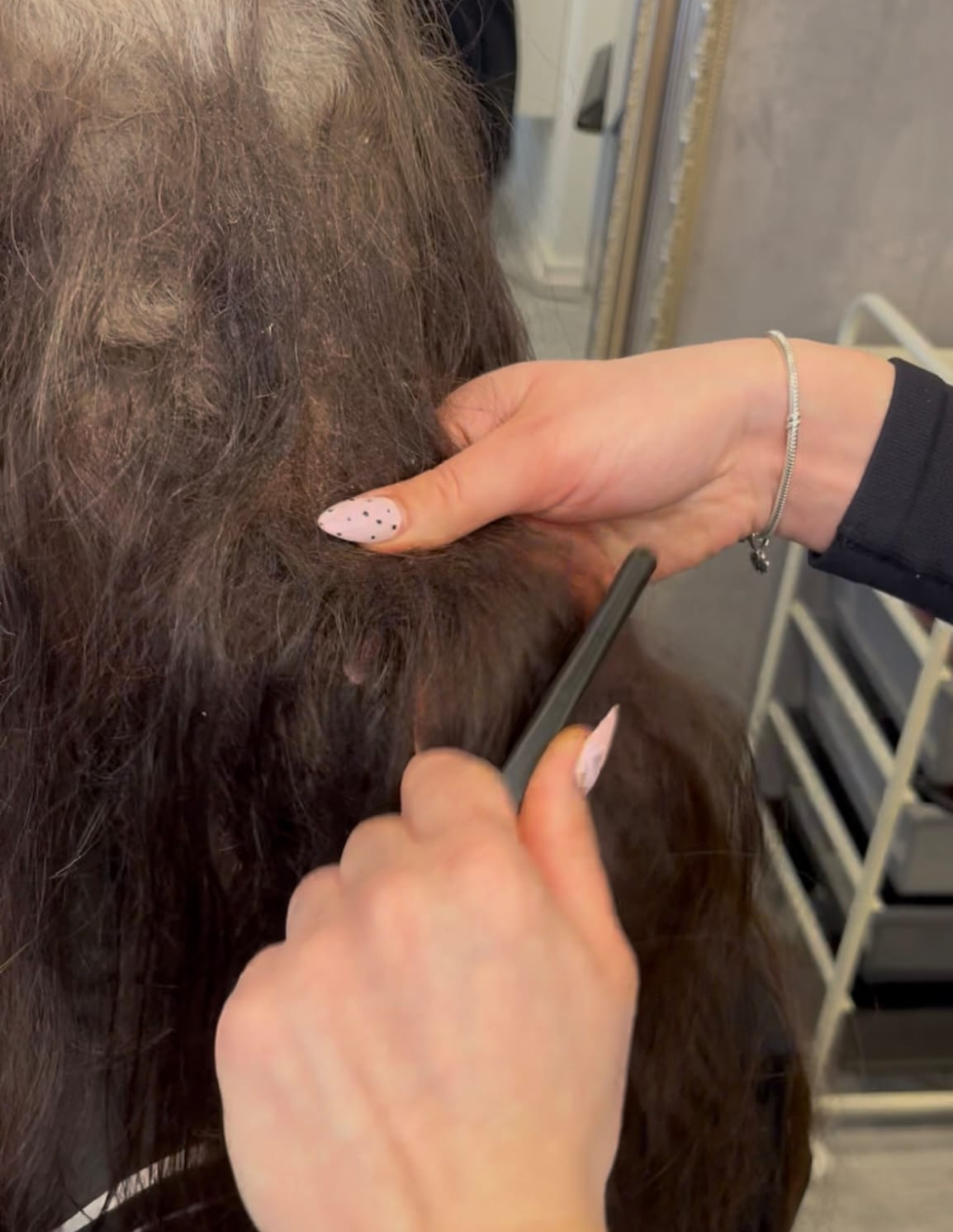
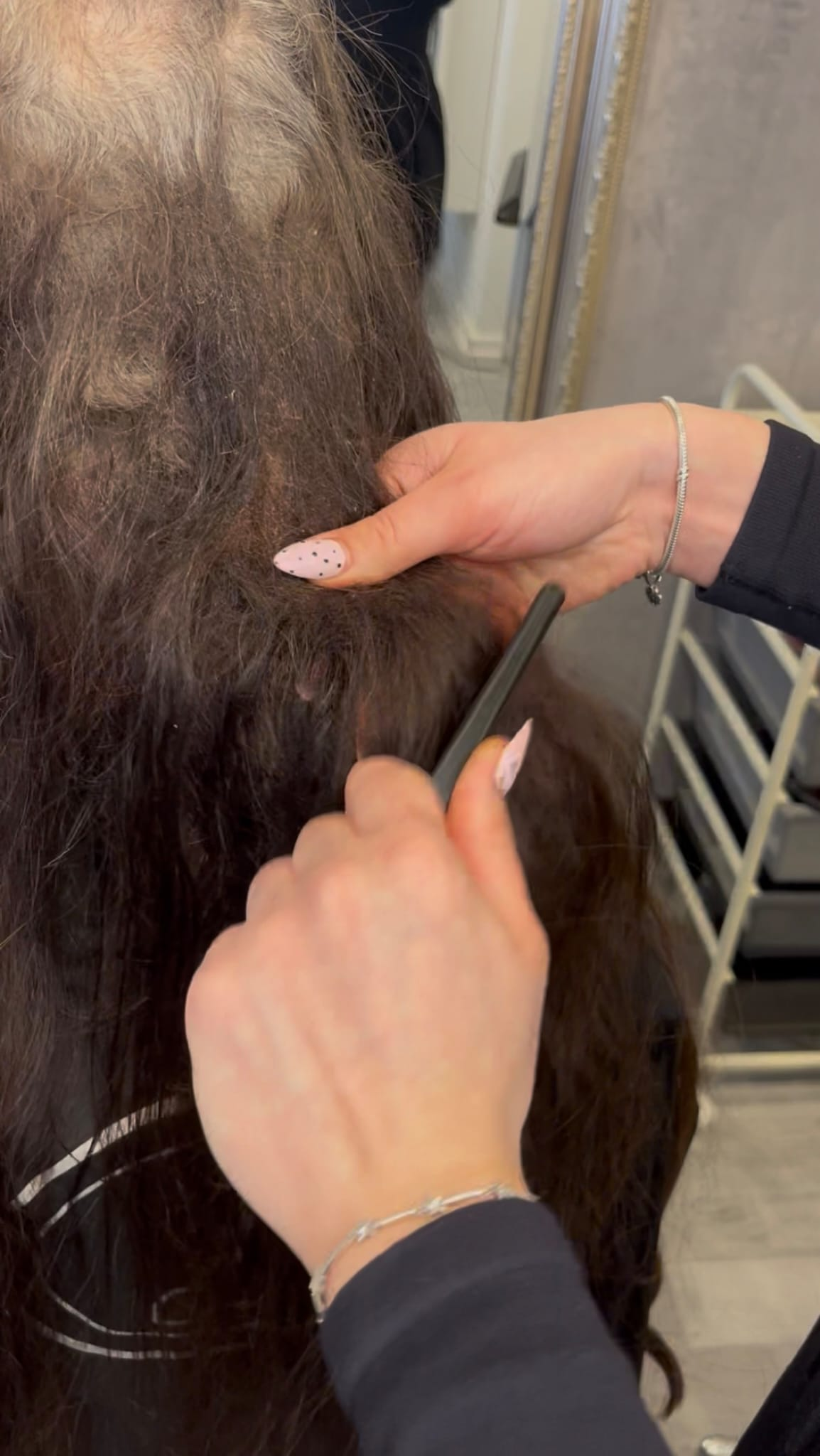
Head lice can affect anyone – including people with hair extensions. Those wearing bonding extensions often wonder: can head lice be treated simply without removing the extensions?
The answer is clear: Extensions should be removed before treatment to best protect the scalp and natural hair and to ensure a complete removal of the lice.
Why lice with extensions need to be treated especially carefully
Extensions, particularly bondings, are small connections at the root that lengthen your own hair. If lice appear:
- They attach directly to the scalp and between your own hair.
- The strands and bonds can make thorough combing difficult.
- Remains of nits (louse eggs) can hide between the extensions if the strands are left in.
Important: Lice treatments only work on the scalp. Applying them to the extensions themselves is unhelpful, as the parasites do not live there, and the bonds could be damaged.
What happens if you leave the extensions in?
If the extensions remain in the hair during treatment, the following can happen:
- Hidden nits survive – treatment is less effective.
- Nodules around the bondings – shed hair and residue can get caught.
- Strain on the bondings – when combing or removing nits, unnecessary strain can be placed on the bondings.
In the long term, this can lead to hair breakage, lead to loose bonding or visible gaps.
Steps for lice with extensions
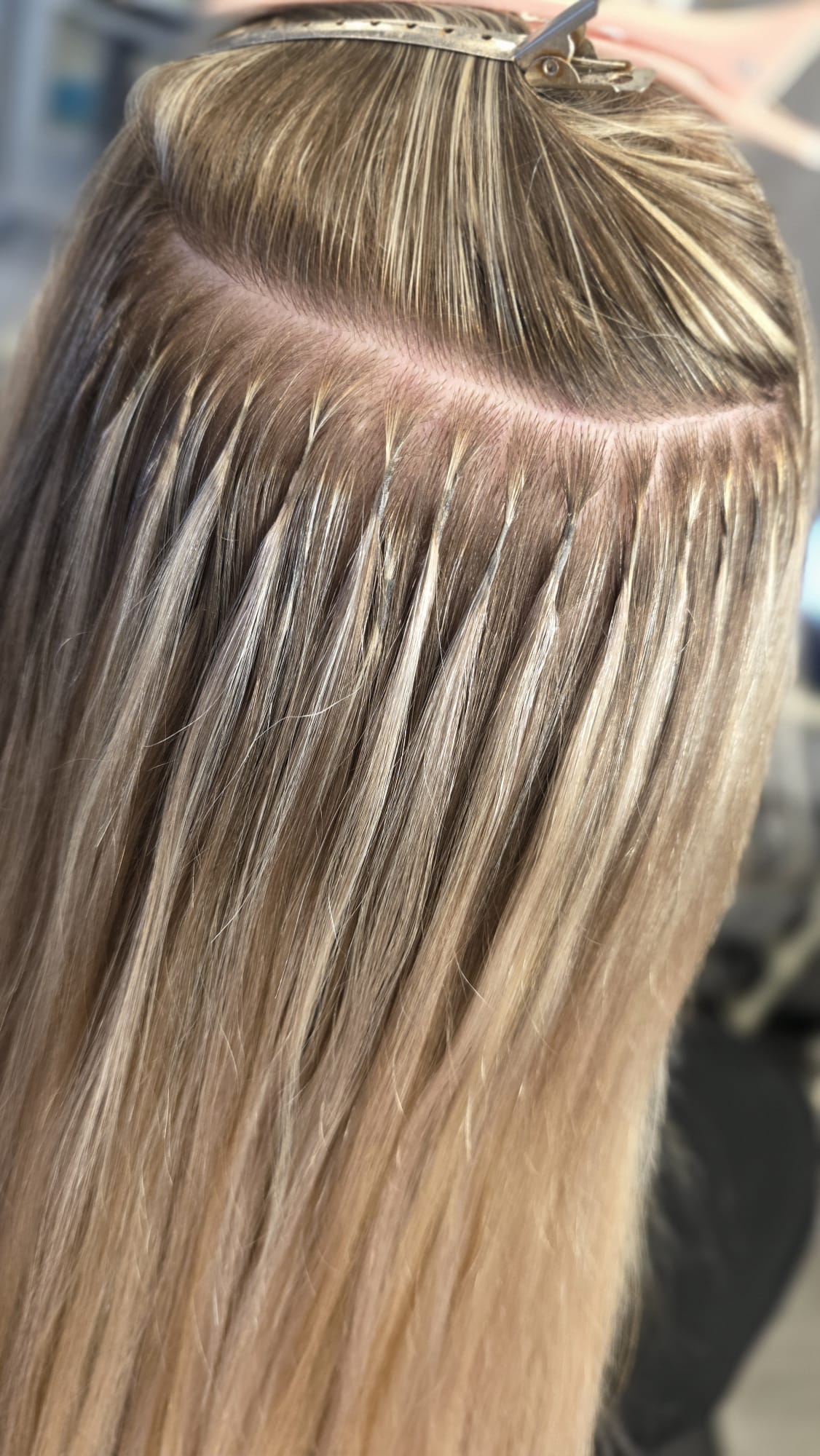
1. Professionally remove extensions
The strands should be carefully removed by a trained studio.
The bondings are gently removed without stressing the natural hair.
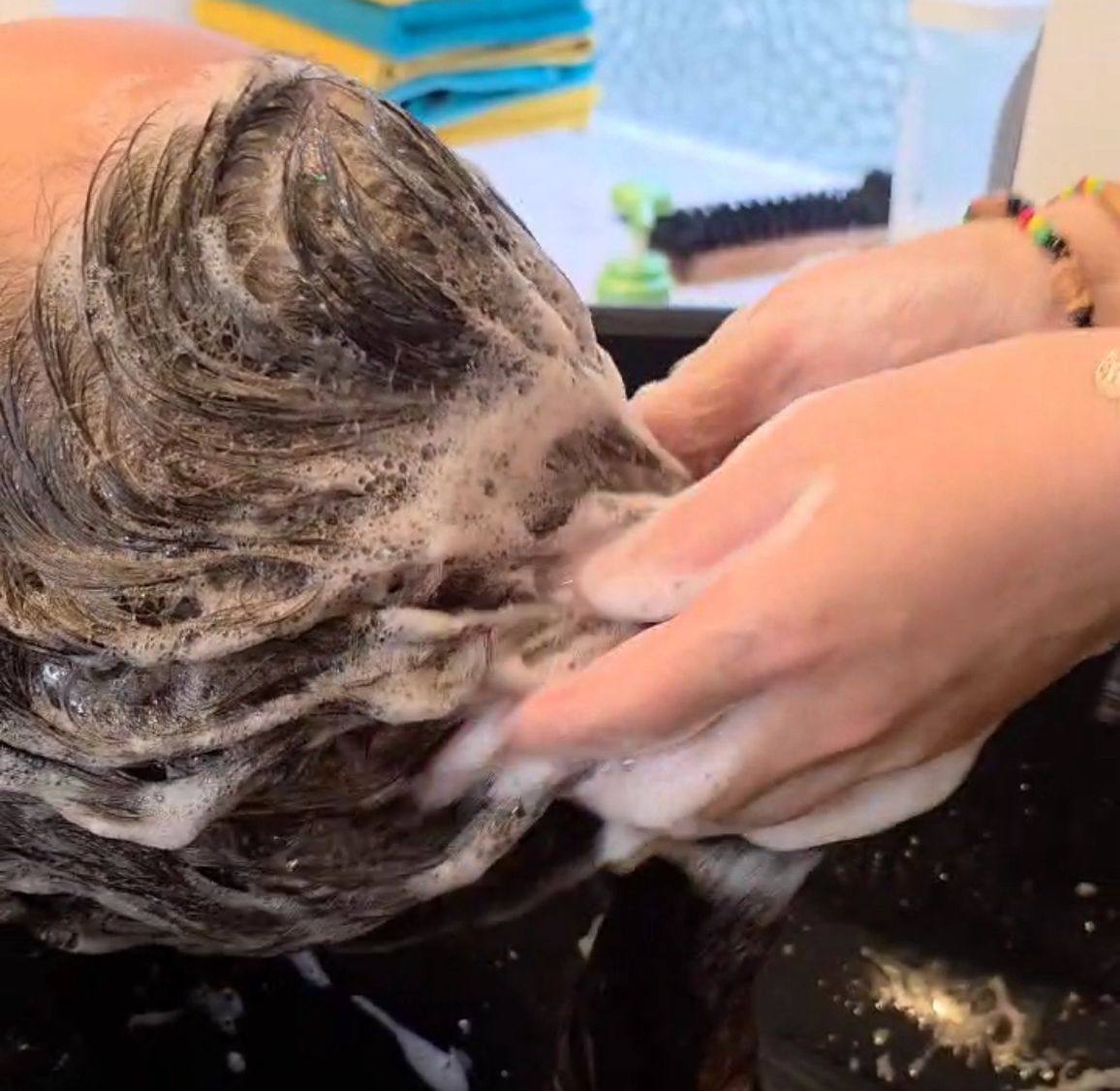
2. Treat the scalp thoroughly
- Apply a suitable lice treatment to the scalp.
- Comb out all the nits carefully with a fine-tooth comb.
- The treatment may be repeated after 7-10 days to remove any offspring.
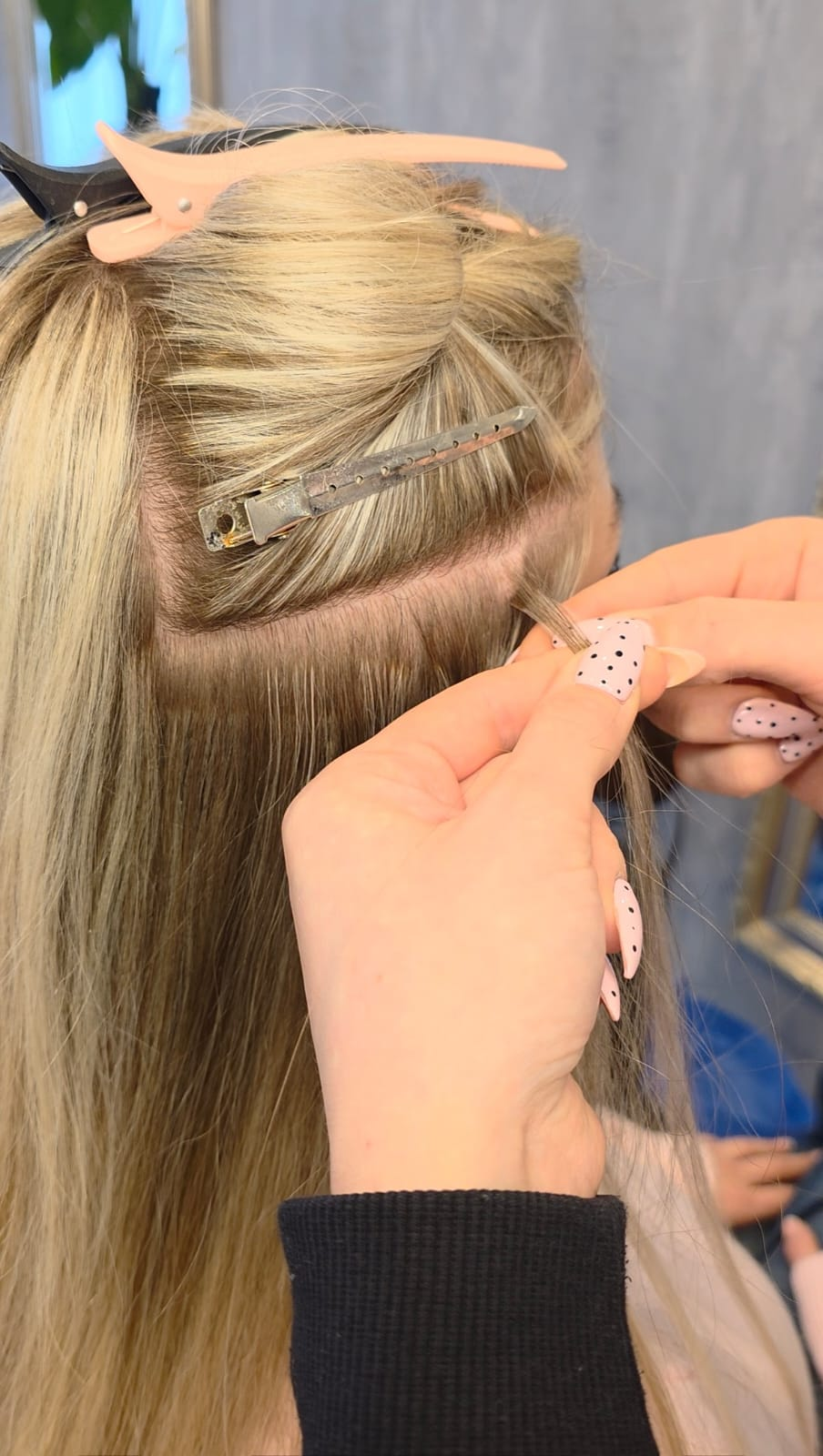
3. Controlling extensions
The remote extensions can be cleaned and checked.
Any damaged bonds or strands should be renewed.
4. Reinstall extensions
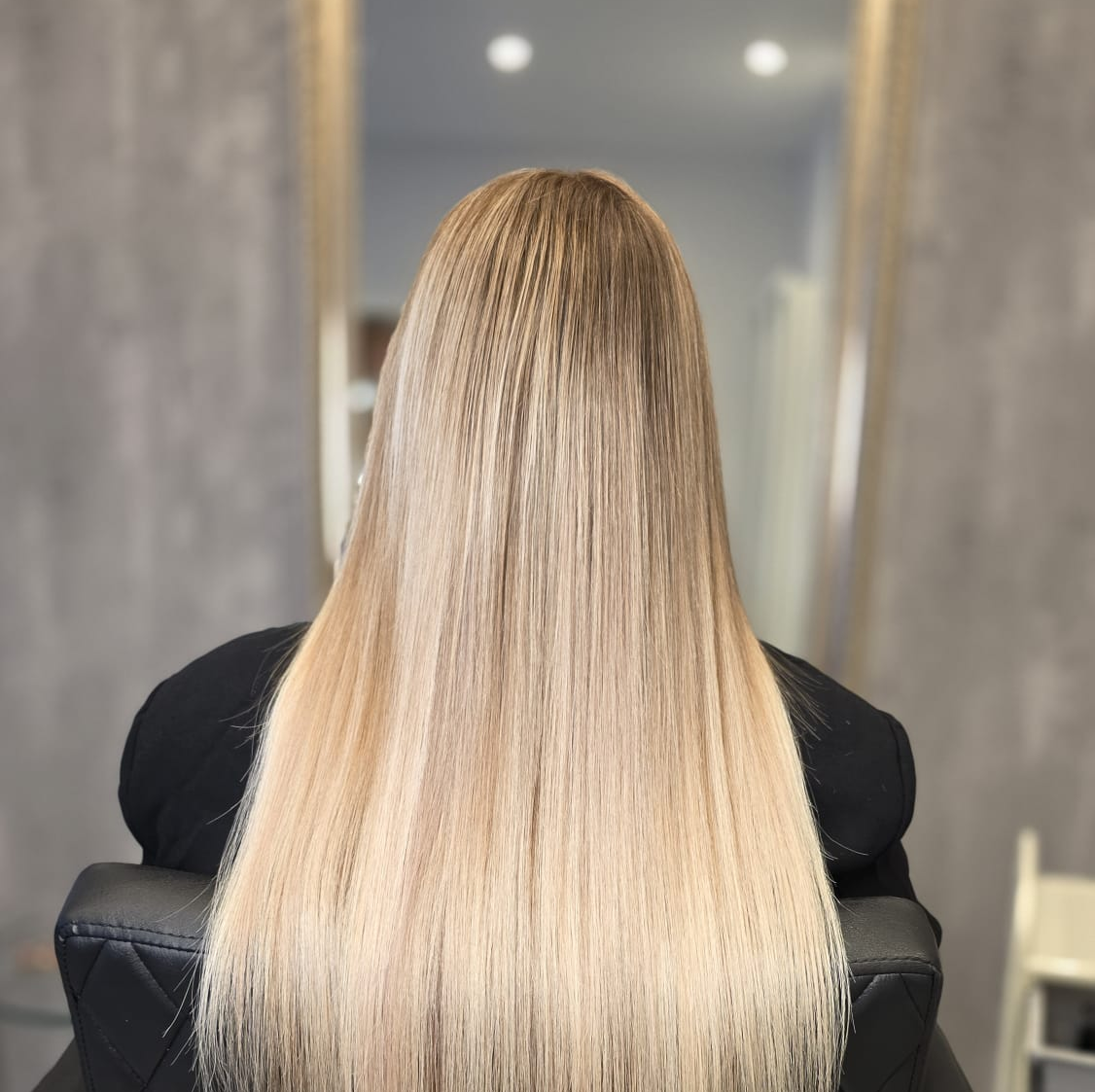
Following successful treatment, the extensions can be professionally reused.
The approach is now clean, free of lice and nits, and the hair extension is holding optimally again.
Tips for prevention
You can also minimise the risk by using hair extensions:
- Check your scalp regularly
- Don't tie your hair too tightly together to allow for air circulation.
- Be mindful of others' combs, brushes, and hats
Conclusion
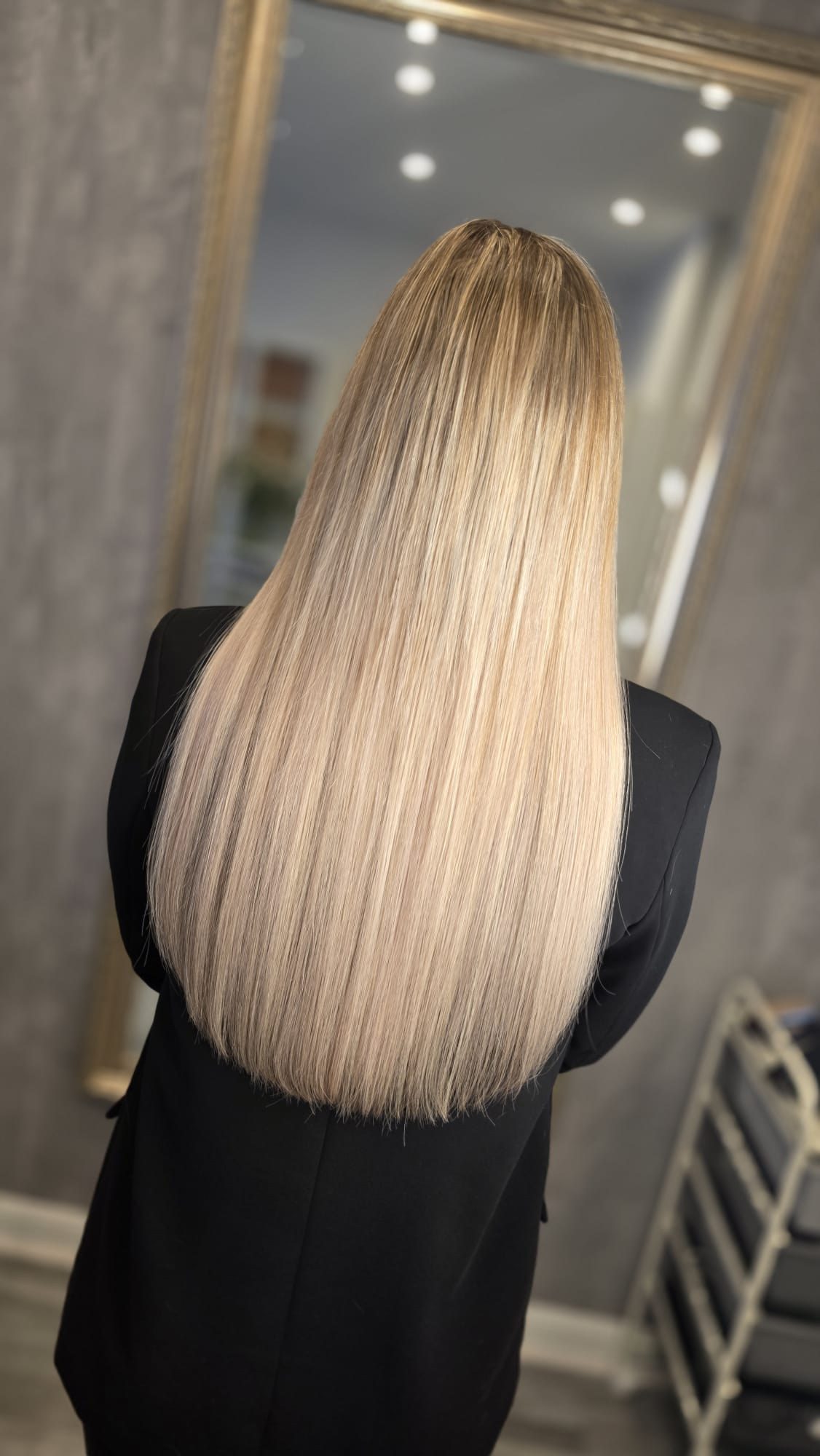
Head lice can also affect people with hair extensions. A common mistake is to leave the hair extensions in during treatment.
The professional removal of extensions before lice treatment is crucial in order to:
- To completely treat the scalp and your own hair
- To reliably remove nitches,
- To protect bonds and prevent damage
After the treatment, the extensions can be reinserted without any problems, so that the hair looks healthy and lasts a long time.







 English (UK)
  Deutsch
  Русский
  Italiano
  Français
  Nederlands
  Español